











Ceramic and porcelain tile from Turkish factories
Turkey is one of the world's largest ceramic tile producers, with the industry concentrated around Kütahya, Bilecik, Eskişehir and Çanakkale — sitting on the clay and feldspar deposits that feed it. For an importer this means modern, high-capacity lines an hour from each other, short lead times to Mediterranean and Atlantic ports, and factories accustomed to producing under private label.
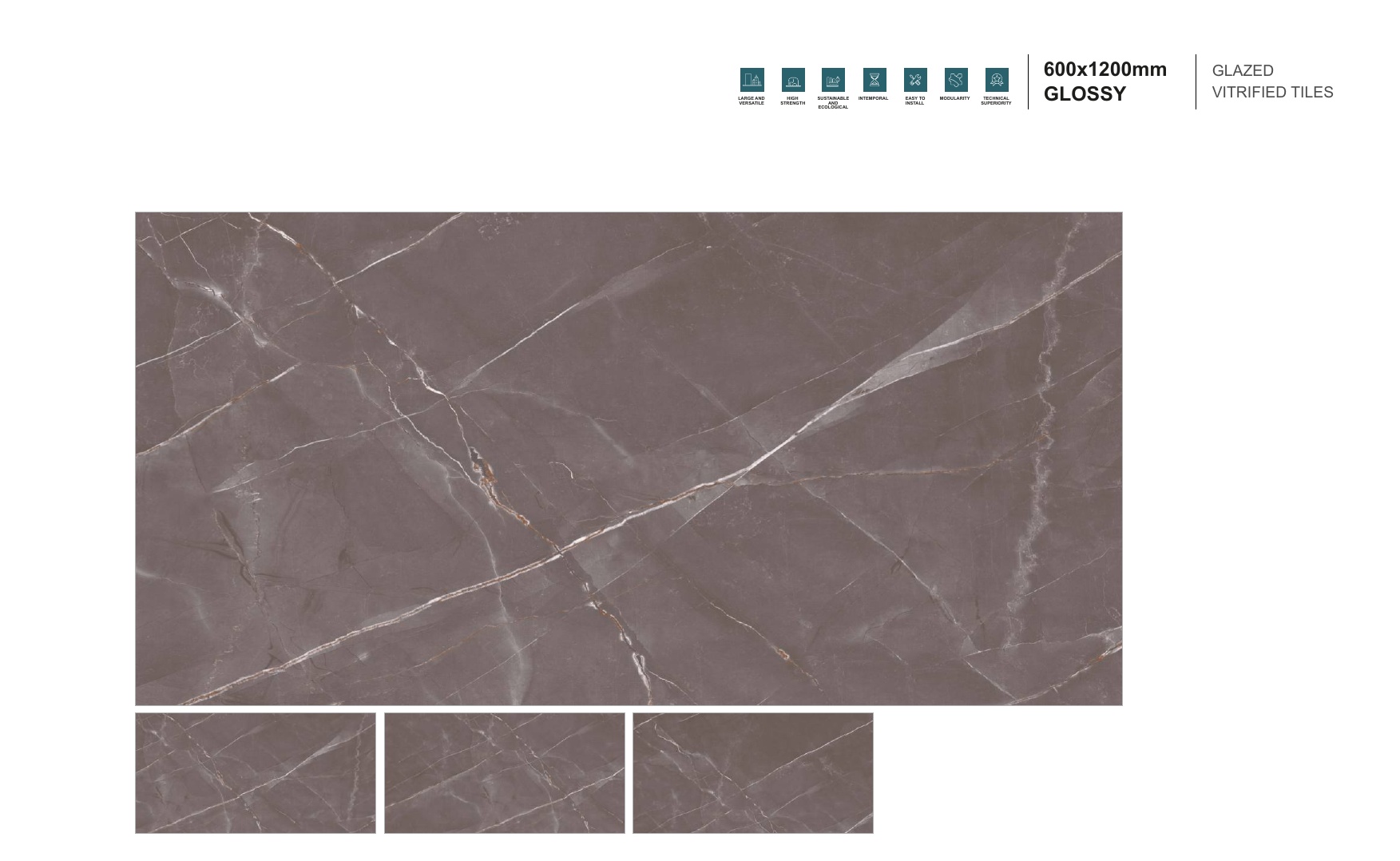
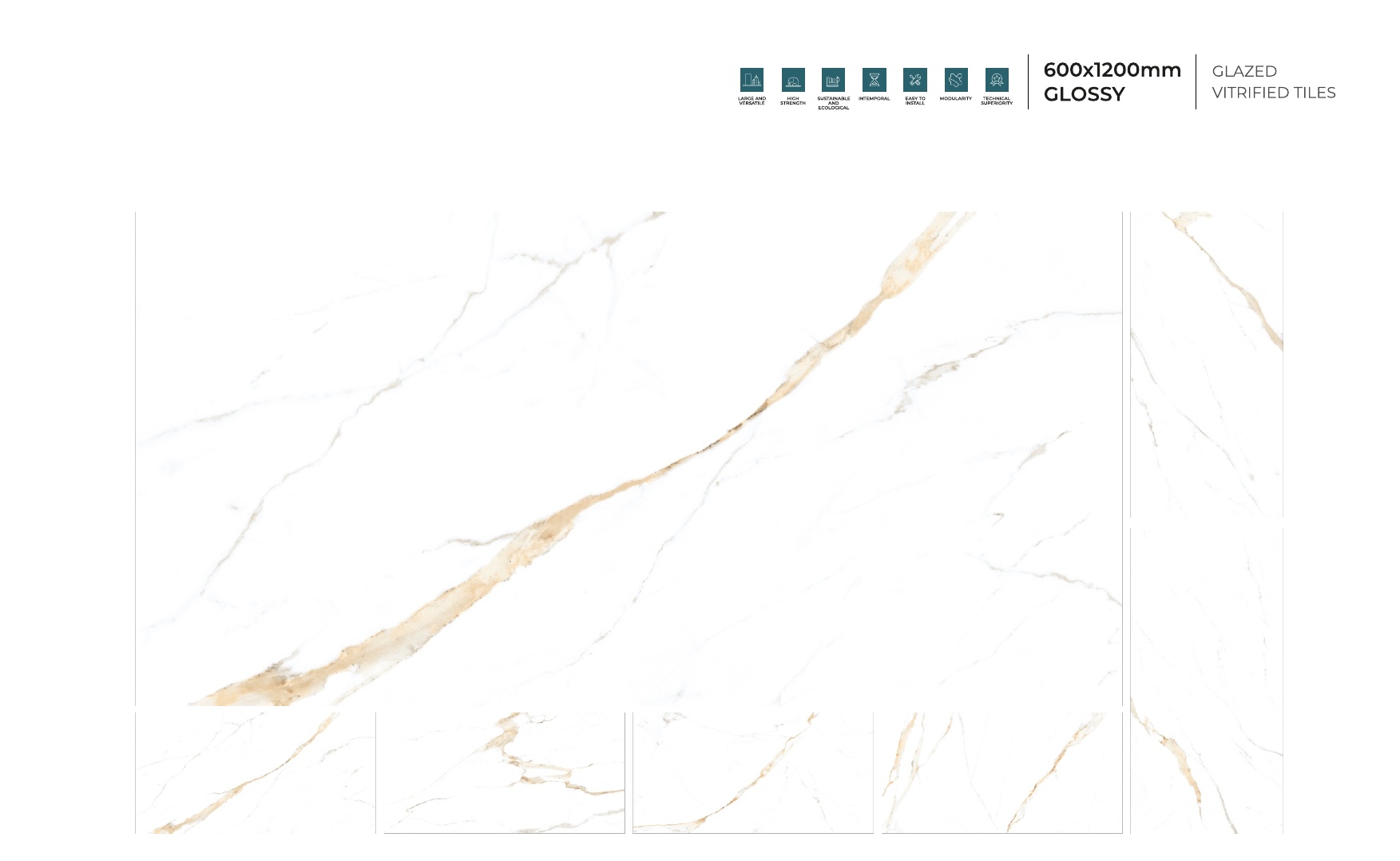
The specification that matters most is the body. Porcelain (water absorption ≤ 0.5%) is frost-proof and fit for floors, facades and outdoor use; red- and white-body wall tile is lighter and cheaper but belongs indoors on walls. Surfaces run from glazed gloss and matt through full-lapato to technical unglazed; large formats — 60×120, 80×80 and slab sizes — are standard production, as are 20 mm outdoor pavers.
What to fix in the order
| Parameter | Why it matters |
|---|---|
| Body type (porcelain / ceramic) | Sets frost resistance and where the tile may be used |
| Rectified vs cushion edge | Rectified lays with 2 mm joints for a seamless look |
| Slip rating (R9–R13) | Required for wet areas, ramps and public floors |
| Shade and calibre codes | One production batch = one shade; order the full quantity at once |


Container quantities and private label
Tile is quoted per square metre, packed in cartons on shrink-wrapped pallets. A 20ft container carries 23–26 tonnes — roughly 1,100–1,300 m² of 9 mm wall tile or 850–950 m² of 10 mm porcelain in 60×60. Mixed-format orders are consolidated at the factory so one container can hold floor, wall and trim pieces for a complete project.
Factories here run private-label programmes: your cartons, your shade codes, your marketing names. Send formats, quantities and the target market's certification needs (CE, ISO 13006 classification) and we will quote ex-works or delivered, with production samples ahead of the run.