







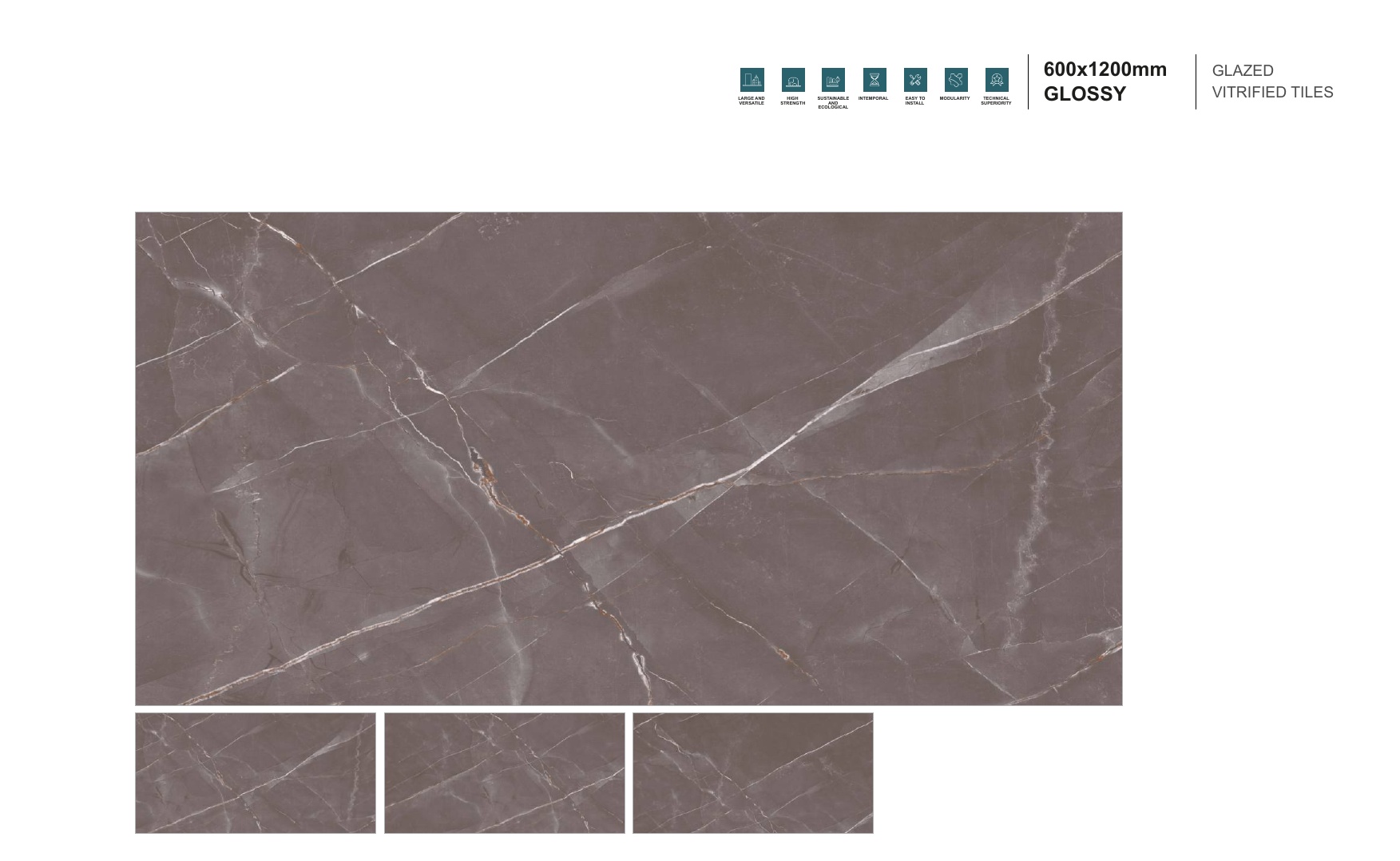
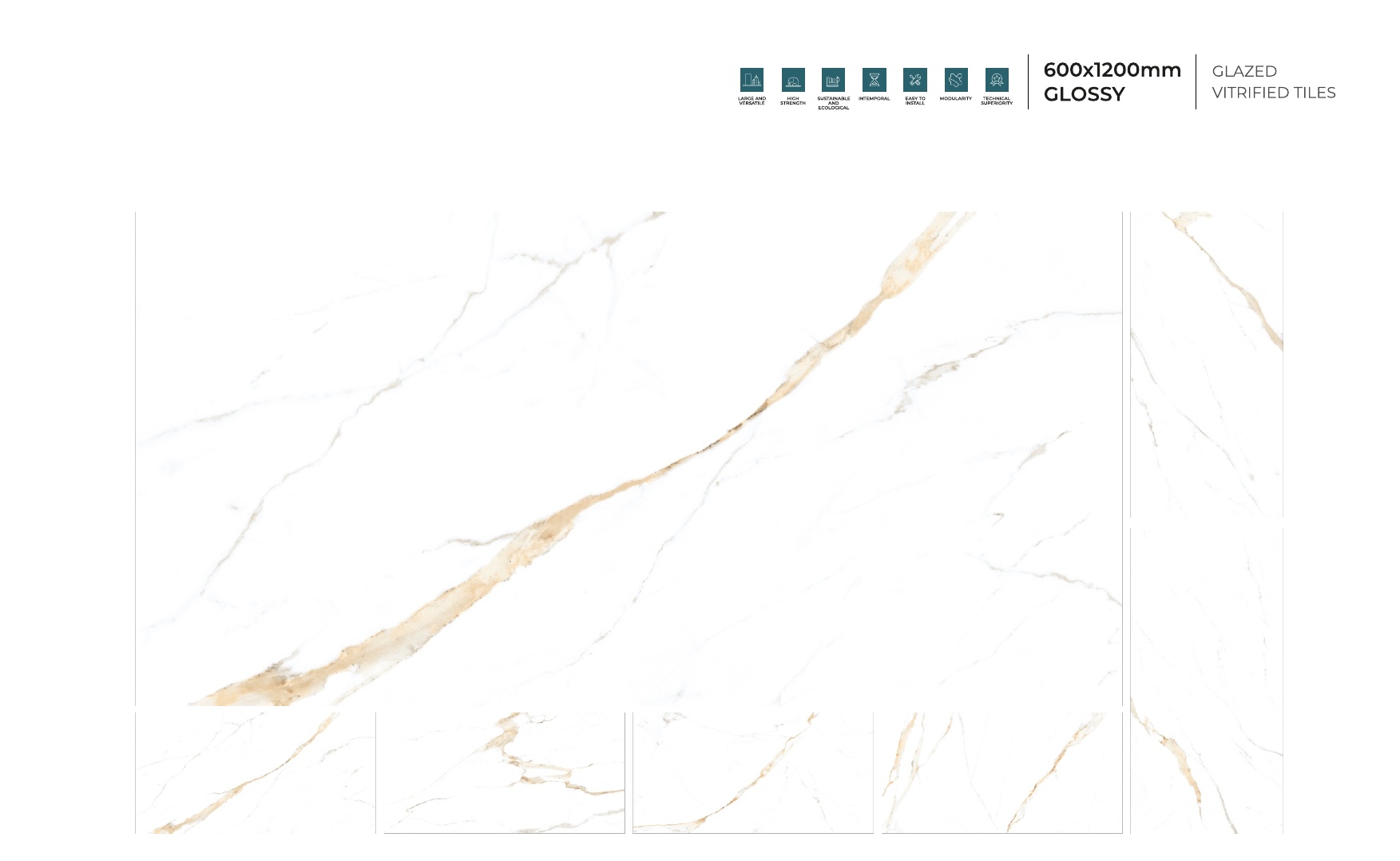




Wall and floor cladding from Turkey
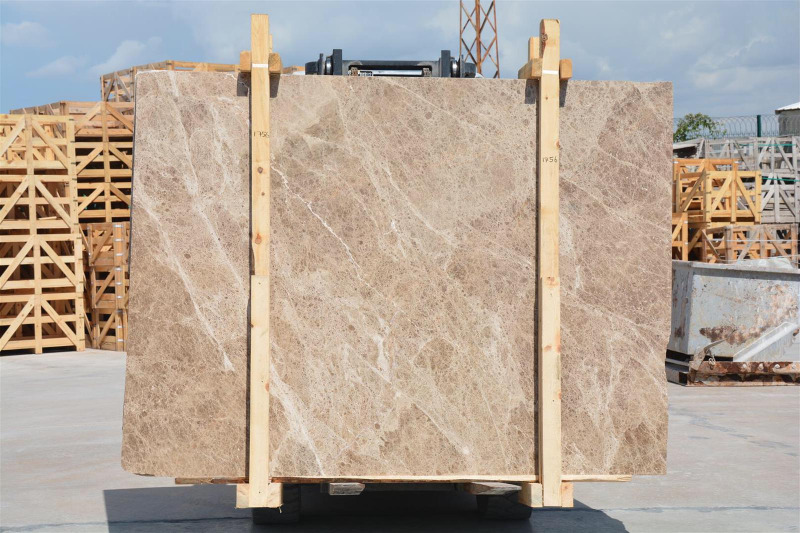
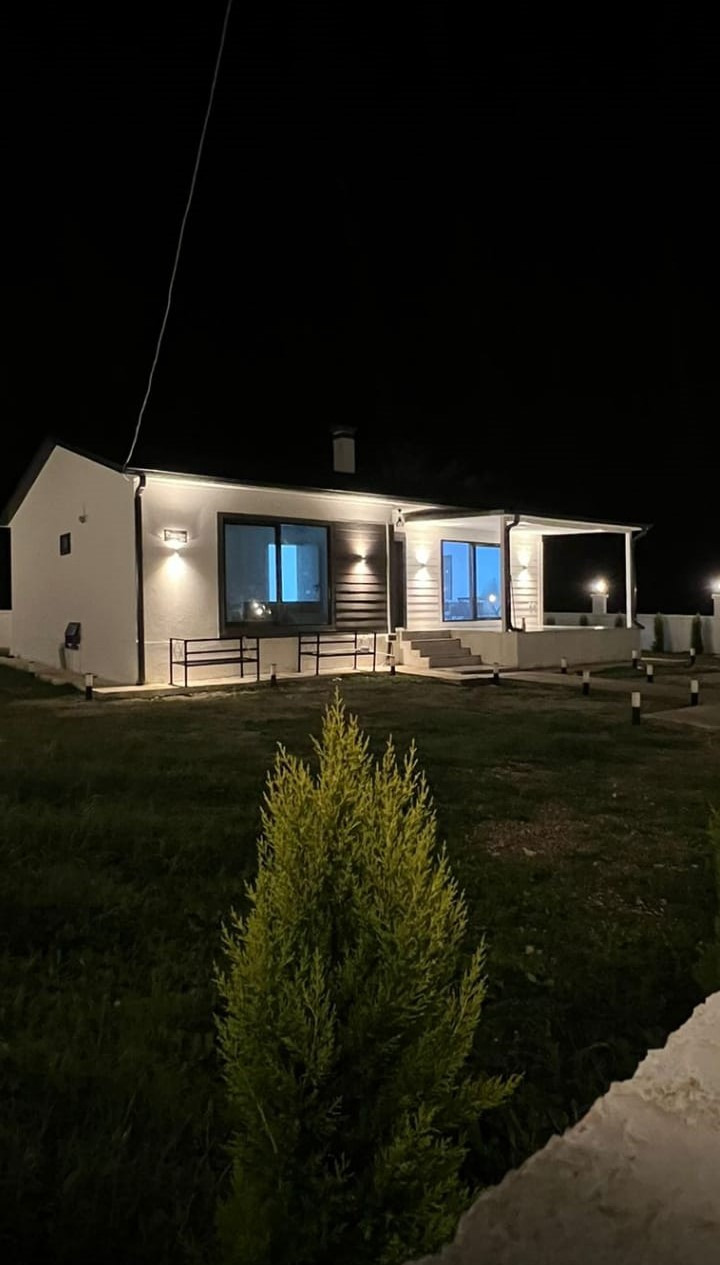
Cladding is where natural stone earns its keep on the outside of a building — and where specification errors cost the most. Turkish plants supply the full range: split-face and ledger panels for feature walls, sawn and honed facade tiles in limestone, travertine and marble, thin stone veneer for weight-restricted structures, and heavy paving for floors that take real traffic.
Three numbers decide whether an exterior cladding lasts: water absorption, flexural strength and the anchoring detail. For adhesive-fixed panels the safe ceiling is usually 40×60 cm at 1.5–2 cm thickness; anything larger or higher up the wall moves to mechanical anchors. We supply the stone with the test reports so your engineer can sign off the fixing method, not guess it.
Cladding formats at a glance
| Format | Look | Where it works |
|---|---|---|
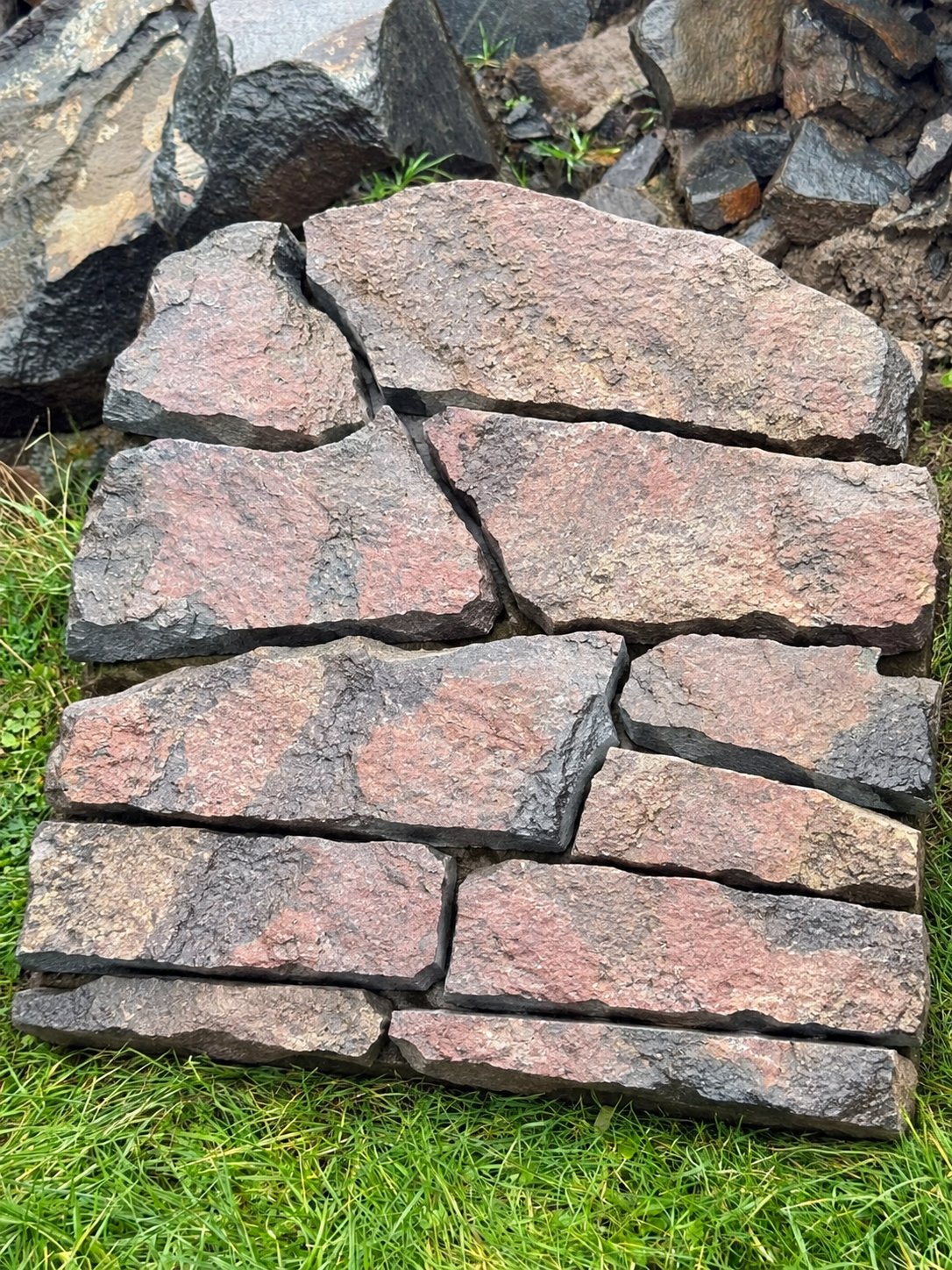
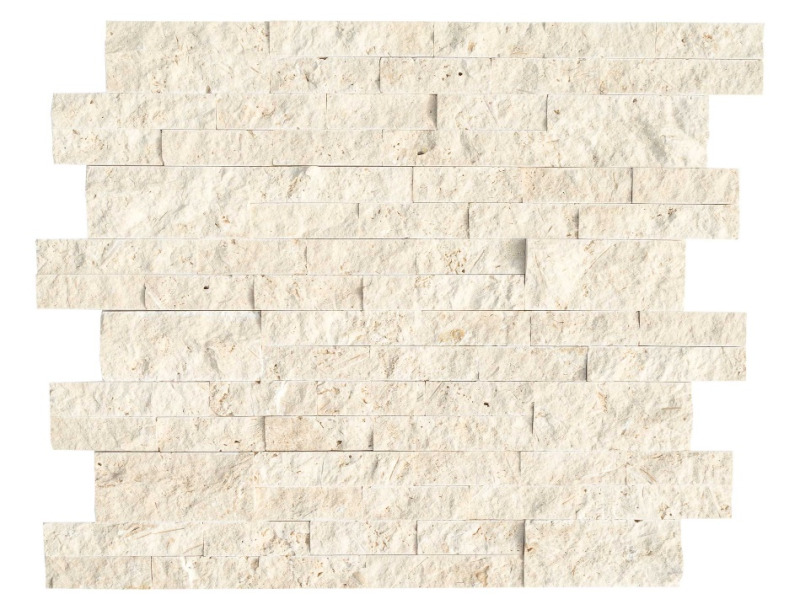
| Split-face strips | Rough, strong shadow lines | Feature walls, garden walls, chimneys |
| Ledger / Z-panels | Stacked dry-look joints | Interior accents, fireplace surrounds, facades |
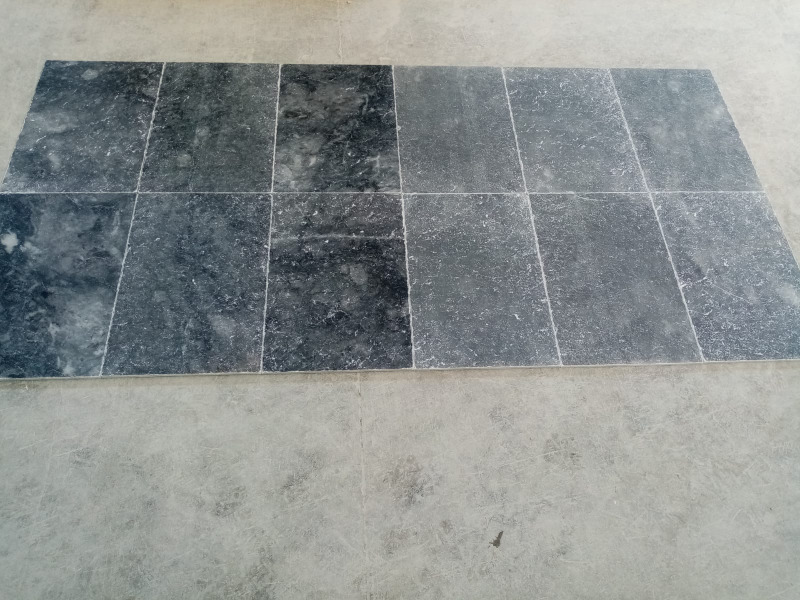
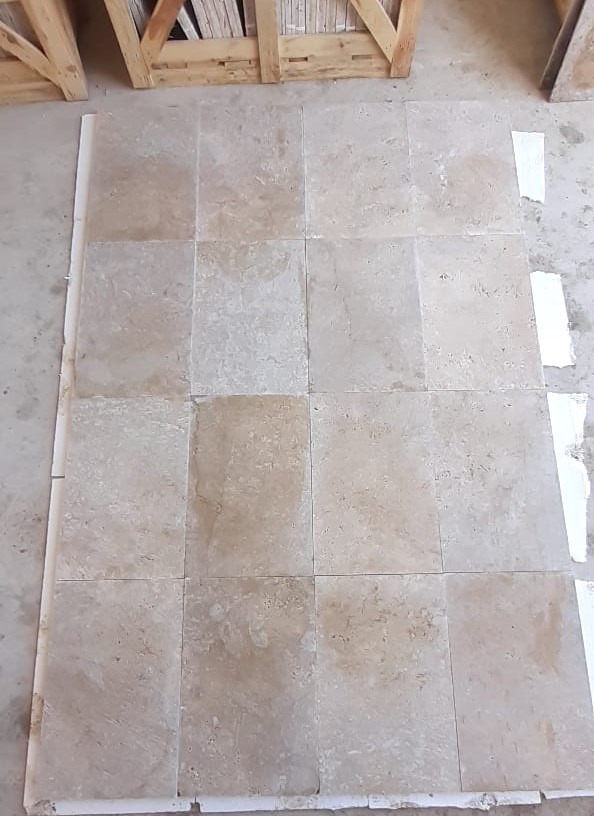
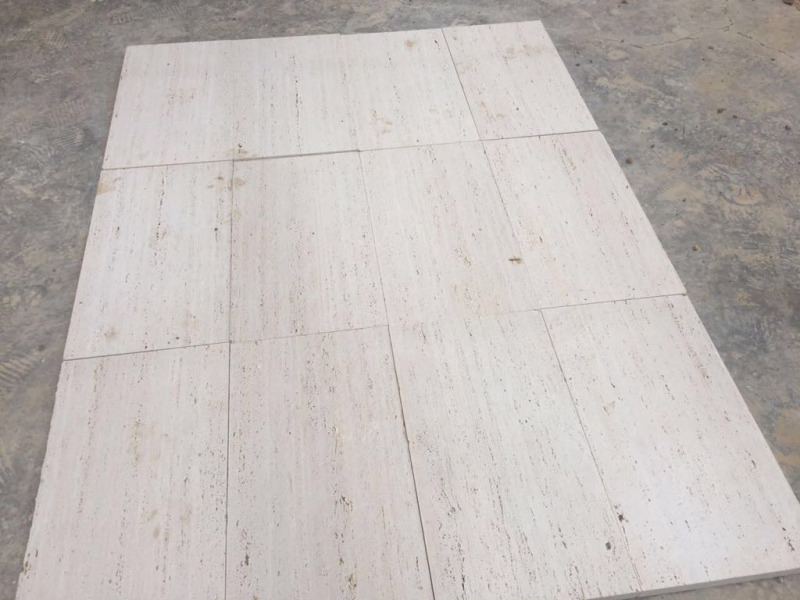
| Sawn facade tile | Flat, modern, tight joints | Ventilated and adhesive facades |
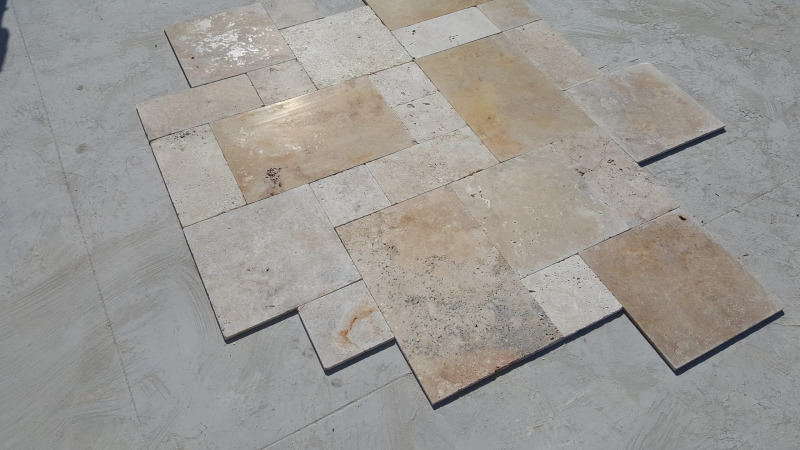
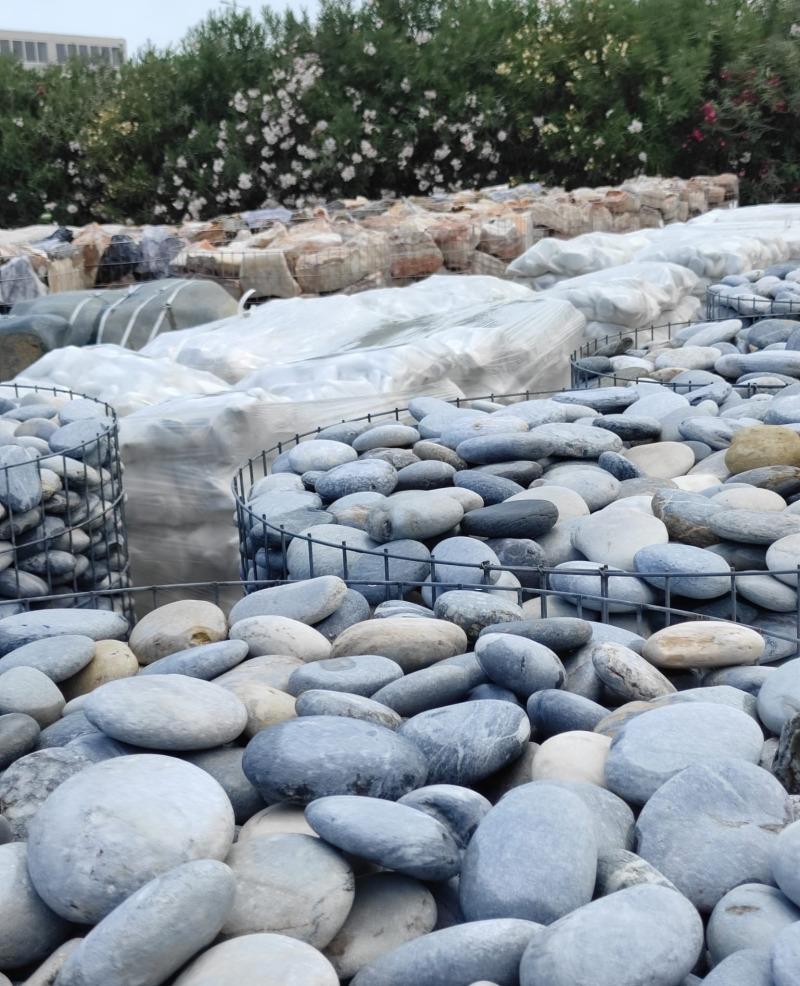
| Tumbled paving | Soft edges, non-slip | Terraces, walkways, pool surrounds |


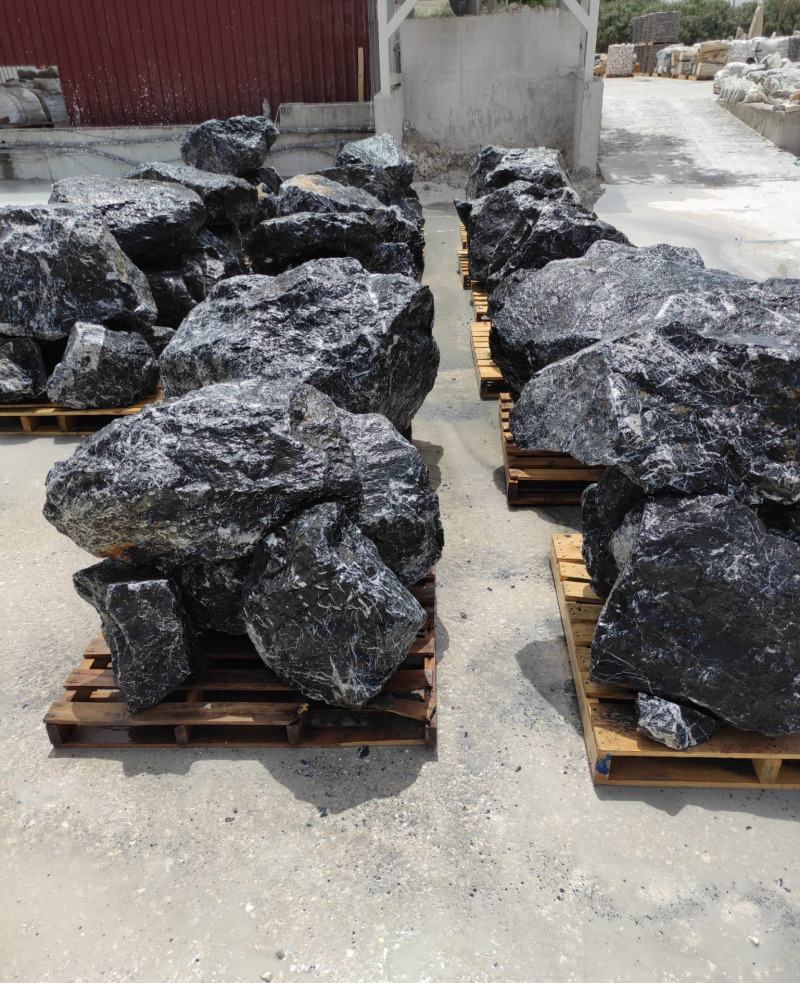


Ordering cladding by the container
Cladding is quoted per square metre, with corner pieces per linear metre — order corners with the field material, from the same lot, or the colour will drift. A 20ft container carries roughly 24–26 tonnes: at 2 cm thickness that is around 450–500 m² of facade tile, or 280–320 m² of split-face panels with their higher relief.
Send elevation areas, the wall build-up (masonry, ETICS, ventilated rail) and the exposure — coastal, freeze–thaw or hot-arid — and we will propose stone, thickness and fixing detail with the supporting test data, then price it against current production.